Dr. Nelly Silva, an American Dental Implant Association fellow since 2012, scans, plans and places your implant in one office, so you are never sent between specialists.
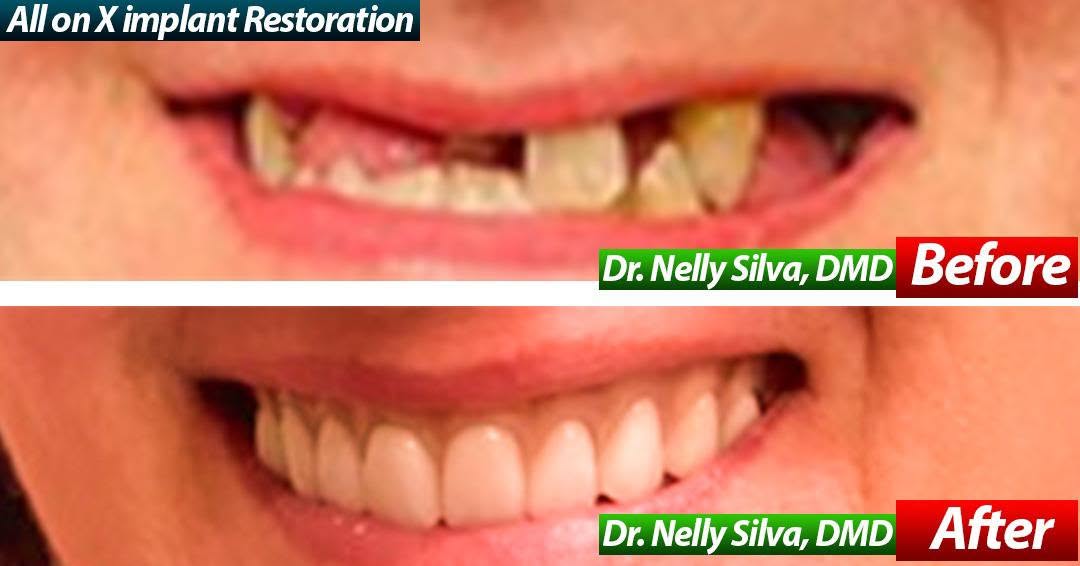
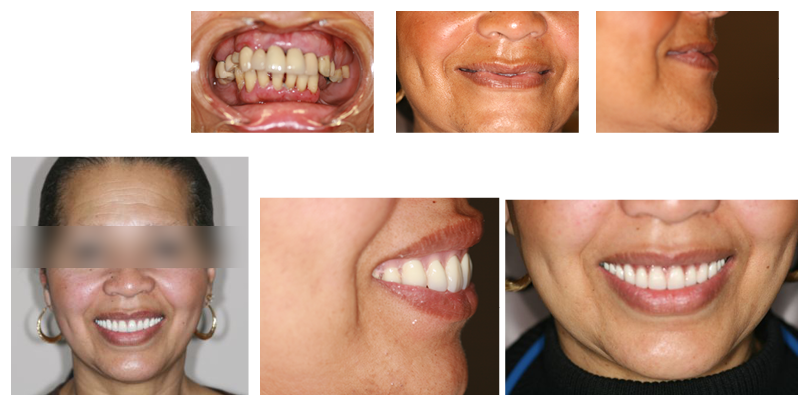
Two of our own patients: a full upper arch rebuilt on All-on-X implants, and a smile restored with implants after missing and worn teeth.
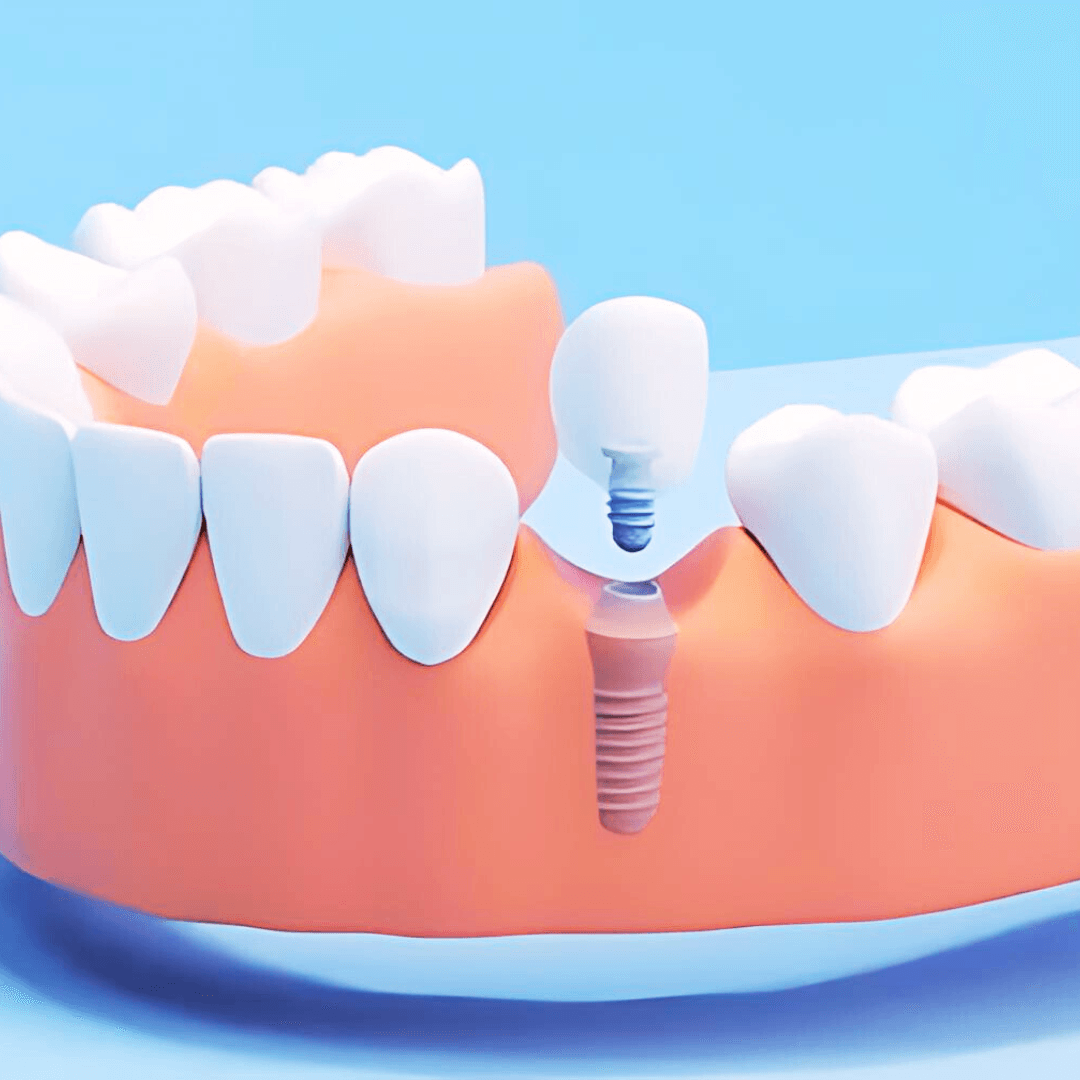
An implant dentist replaces a missing tooth from the root up. A small post is set in the jawbone, the bone bonds to it, and a crown, bridge or denture is attached on top. Dr. Silva handles both stages: the implant itself and the teeth that attach to it.
One post and one crown fill one gap without touching the teeth beside it.
Two posts carry a bridge across several missing teeth in a row.
A denture clips onto implants so it stays put when you eat and talk.
A fixed arch of teeth on a small set of implants, as in the first case above.
Many implant cases need more than one kind of care before the final tooth goes in. We provide each of them here, which keeps your plan with one team from the first scan to the last visit.
Dr. Silva will review your imaging, examine the site and tell you plainly whether she would treat it the same way or suggest another option.
I went for a second opinion on implants, she studied the X-rays and was able to give me her opinion at that appt.
Cindy D., Google Review
Most healthy adults who are missing teeth can have implants. Patients usually reach us with one of these four situations.
A cracked, decayed or loose tooth due to come out. We plan its replacement before it is removed.
Over time the teeth beside a gap drift and the bone beneath it shrinks. The CT scan shows how much bone remains.
Implants can anchor a denture so it stops slipping, or replace it with a fixed arch.
Thin or soft bone is a common reason patients hear no. A bone graft can rebuild the site first.
Healthy gums matter as much as bone. If gum disease is present, we treat it before the implant goes in.
Most implant cases take several months from start to finish. Much of that time is healing, with few visits in between.
Dr. Silva examines the site, takes a CT scan and walks you through your options, timeline and cost.
An extraction, gum treatment or bone graft comes first when your scan calls for one.
The post goes in at one visit under local anesthetic, with conscious sedation if you prefer.
Over roughly three to six months the bone bonds to the post. Your new tooth is then made from a digital scan and attached.
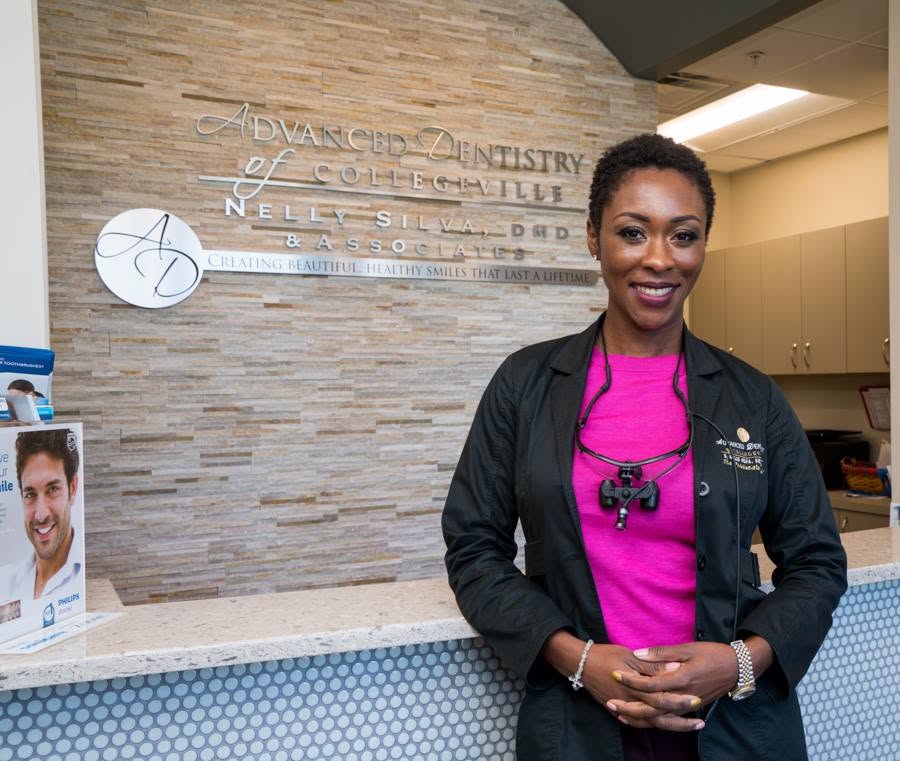
Dr. Silva places and restores implants for single teeth through full-arch reconstruction. She also teaches at Temple University's Kornberg School of Dentistry, where she earned her DMD, as a Clinical Associate Professor in the Department of Oral and Maxillofacial Pathology, Medicine and Surgery. She invites patients to call her Nelly.
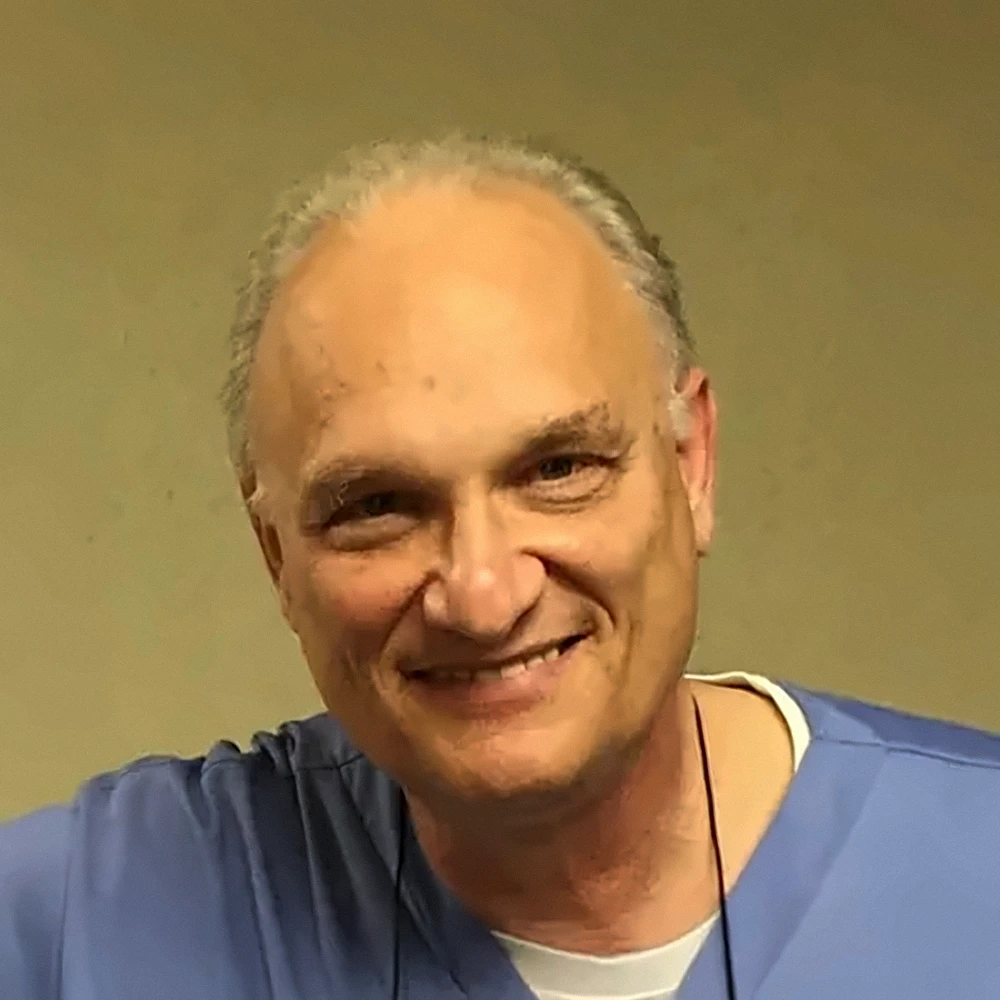
Dr. Michael Strassberg is skilled in all aspects of periodontics and treats the gums and supporting tissue when an implant site needs it.
So grateful I was able to be seen same day when I called today with a broken tooth. Dr. Nelly was so kind, professional, explained everything and put in process a plan for my teeth.
Kristen K., Google Review
If you are like me and haven't seen a dentist in an embarrassing amount of time, they will treat you like a human being and make you comfortable.
Bill M., Google Review
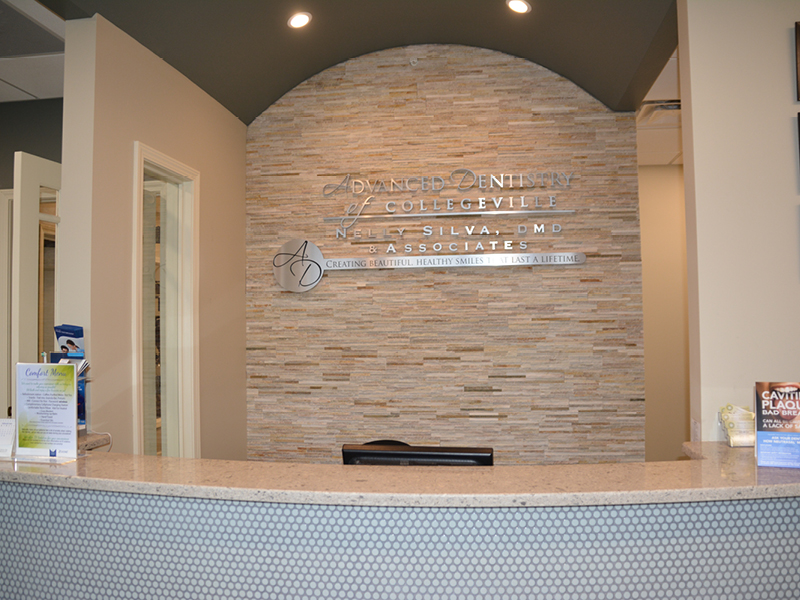
Our office is on Arcola Road in Collegeville, northwest of Norristown. Your scan, any grafting or gum care, the implant and the final tooth all happen at this one address.
The cost of an implant depends on how many teeth are replaced, what is attached on top, and whether an extraction or bone graft comes first. You see the full cost of your plan before any treatment begins.
We accept all PPO dental insurance plans and review what yours covers with you. We do not accept Medicaid.
Payment plans let you spread the cost of implant treatment over time.
No dental insurance? Our dental savings plan is an option for patients paying on their own.
Straight answers to what patients ask before they commit to an implant.
Yes. We perform tooth extractions, including impacted teeth, and plan the implant around the extraction site from the start. Depending on the bone, the implant may go in at the same visit or after the site has healed.
It depends on the teeth around the gap. An implant stands on its own and leaves the neighboring teeth untouched, while a bridge is held by crowns placed on those teeth. A bridge usually costs less up front, so we price both options for your case and show you the difference.
Implants are placed under local anesthetic, which we deliver with The Wand, a computer-assisted system that releases the numbing medication slowly and steadily. Conscious sedation is available for patients who feel anxious about dental work. The goal is that you feel pressure during placement rather than pain.
With good home care and regular cleanings, the implant post can last for many years, and it cannot decay the way a natural tooth can. The crown on top wears with chewing over time and may eventually need to be replaced.
Yes. We begin with an exam and a CT scan, explain what needs attention first and set the pace of treatment with you. Our patients' reviews describe returning after long breaks from dental care and being made to feel comfortable.
Dr. Silva will examine the site, review your CT scan with you and lay out every option that fits your health, goals and budget.