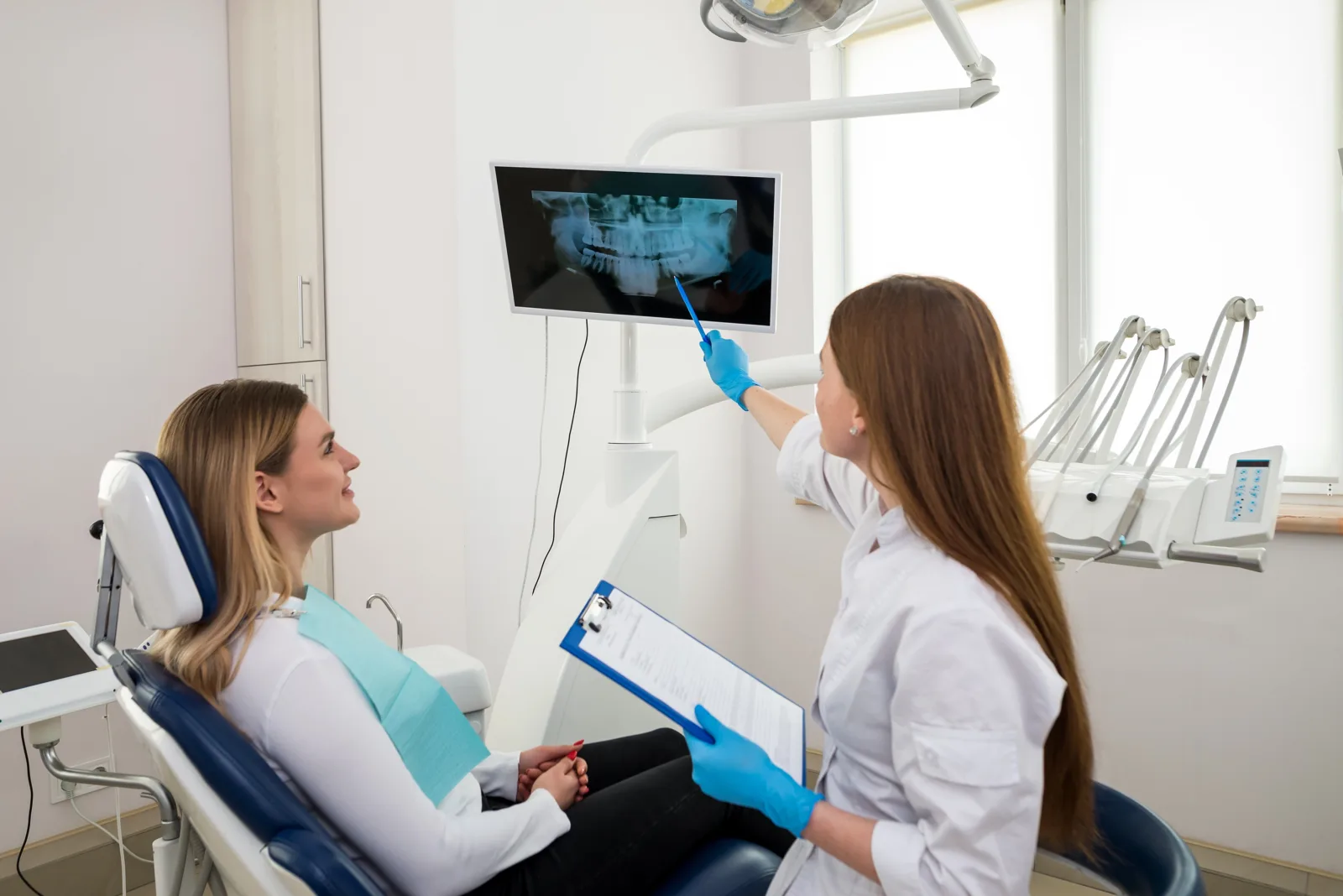

Candid and Invisalign both straighten teeth with clear, removable trays, and both are planned and supervised by a dentist. They differ in the plastic, the number of office visits, how long treatment tends to take and what it costs. Our office offers both, so this post compares them side by side. For how aligner treatment works in general, see our Orthodontics page.
Candid vs Invisalign at a Glance
| Feature | Candid (CandidPro) | Invisalign |
|---|---|---|
| Aligner material | ZenduraFLX, a BPA-free medical-grade polymer | SmartTrack, made by Align Technology for Invisalign only |
| Who treats you | A dentist who offers CandidPro | A dentist or orthodontist who offers Invisalign |
| Daily wear | About 22 hours | 20 to 22 hours |
| Typical treatment time | 6 to 12 months on average | 6 to 18 months, up to 24 for complex cases |
| Number of trays | Up to 24 | Up to 50 |
| Tray changes | After your dentist reviews your latest app scan | Every 1 to 2 weeks, on your dentist’s schedule |
| Progress checks | Mostly remote: ScanBox Pro photos every 7 to 14 days | In person, often every 4 to 6 weeks |
| Attachments | Used when needed; Candid says it generally needs fewer | SmartForce attachments when needed |
| Cases treated | Mild to complex | Mild to complex |
| Typical U.S. cost | $3,300 to $5,000 | $3,000 to $8,000 |
| Retainers | PermaForm retainers | Vivera retainers or another brand |
| HSA or FSA | Yes | Yes |
Times and prices are national averages published by Candid, Invisalign and independent review sites in 2026. Your own estimate comes after your exam and scan.
Aligner Material: ZenduraFLX vs SmartTrack
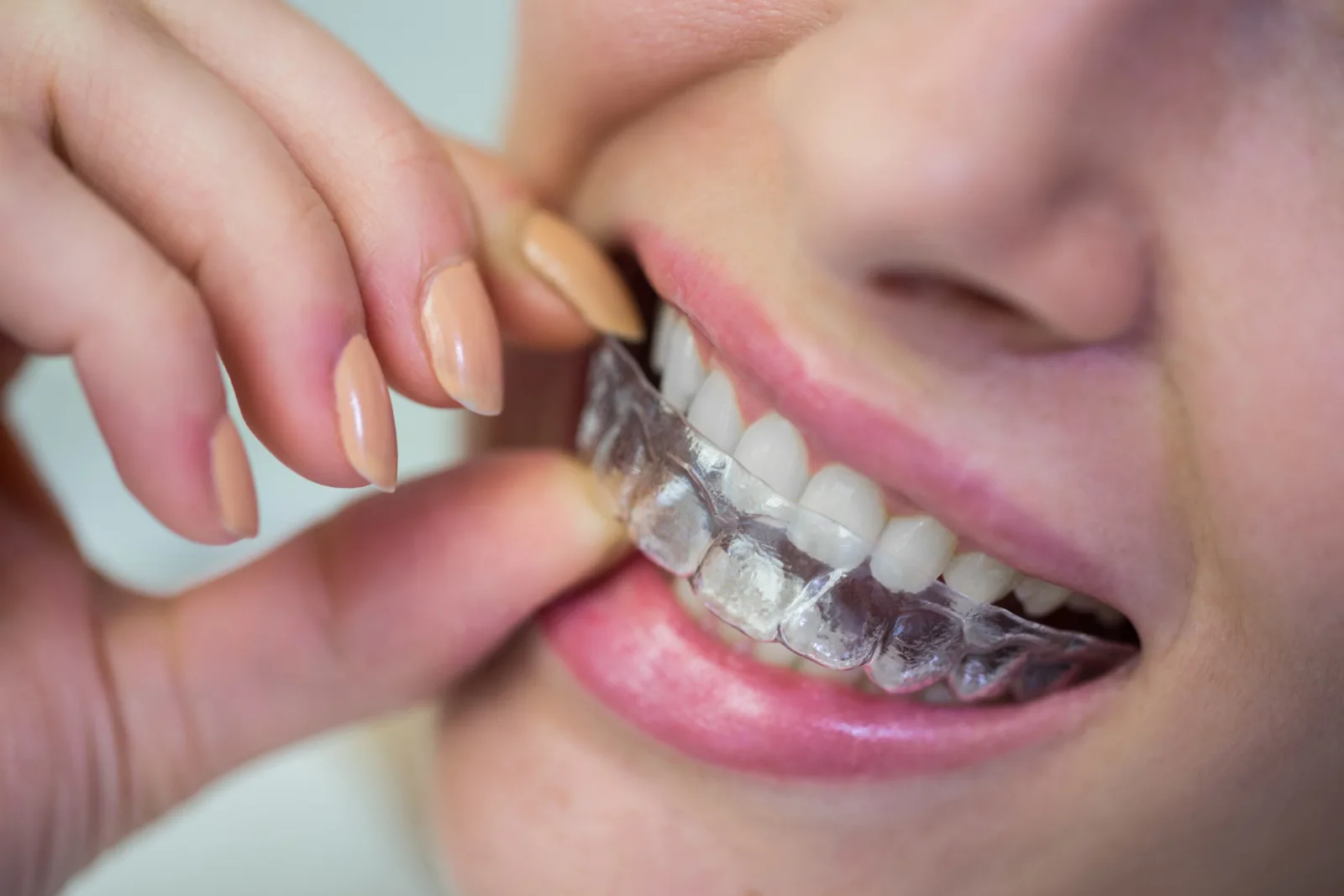
Invisalign trays are made from SmartTrack, a material Align Technology developed and uses only in its own aligners. Candid trays are made from ZenduraFLX, a BPA-free medical-grade polymer that is also used by other aligner brands. Both are thin, clear and trimmed to your gumline from a 3D model of your teeth.
The plastic matters less than the plan behind it. Either tray only moves a tooth as far as the digital plan tells it to.
Treatment Length and Tray Changes
Candid cases often finish faster. Its set tops out at about 24 trays, and the average case runs 6 to 12 months. Candid reports that 90% of its cases finish as planned with one or no refinement rounds. Invisalign sets can run to 50 trays, with treatment usually lasting 6 to 18 months and complex bite corrections taking up to 24.
The bigger difference is how you move to the next tray. With Invisalign, your dentist sets a schedule, usually a new tray every 1 to 2 weeks. With Candid, you send photos through the app, and your dentist clears the next tray once the current one has done its job.
Both need 20 to 22 hours of wear a day. Missed hours add time with either system. Dr. Silva’s plan for you includes an estimate of how long your own case should take.
Office Visits and Remote Monitoring
Invisalign relies on in-person check-ups, often every 4 to 6 weeks, where the dentist checks fit and tooth movement in the chair. Candid starts in person, then moves most checks online. You clip your phone into a ScanBox Pro, take photos every 7 to 14 days and your dentist reviews them remotely. Your dentist can still call you in if something needs a closer look.
At our office, both systems start the same way: a digital scan on our Itero Element Scanner, with no putty molds.
Attachments and Case Complexity
Both systems treat mild to complex cases, from crooked teeth and gaps to many bite problems. Both use attachments, small tooth-colored bumps that give the trays more grip on teeth that need extra rotation or lift. Invisalign calls these SmartForce attachments. Candid says its plans generally need fewer of them, and it can add elastics for bite corrections.
Which system suits a complex bite depends on the case itself. Dr. Silva has two years of orthodontic post-training and LVI certification in neuromuscular dentistry. Her Bite Assessment looks at how your teeth meet and how your jaw moves before she picks a system.
Cost, Insurance and Financing
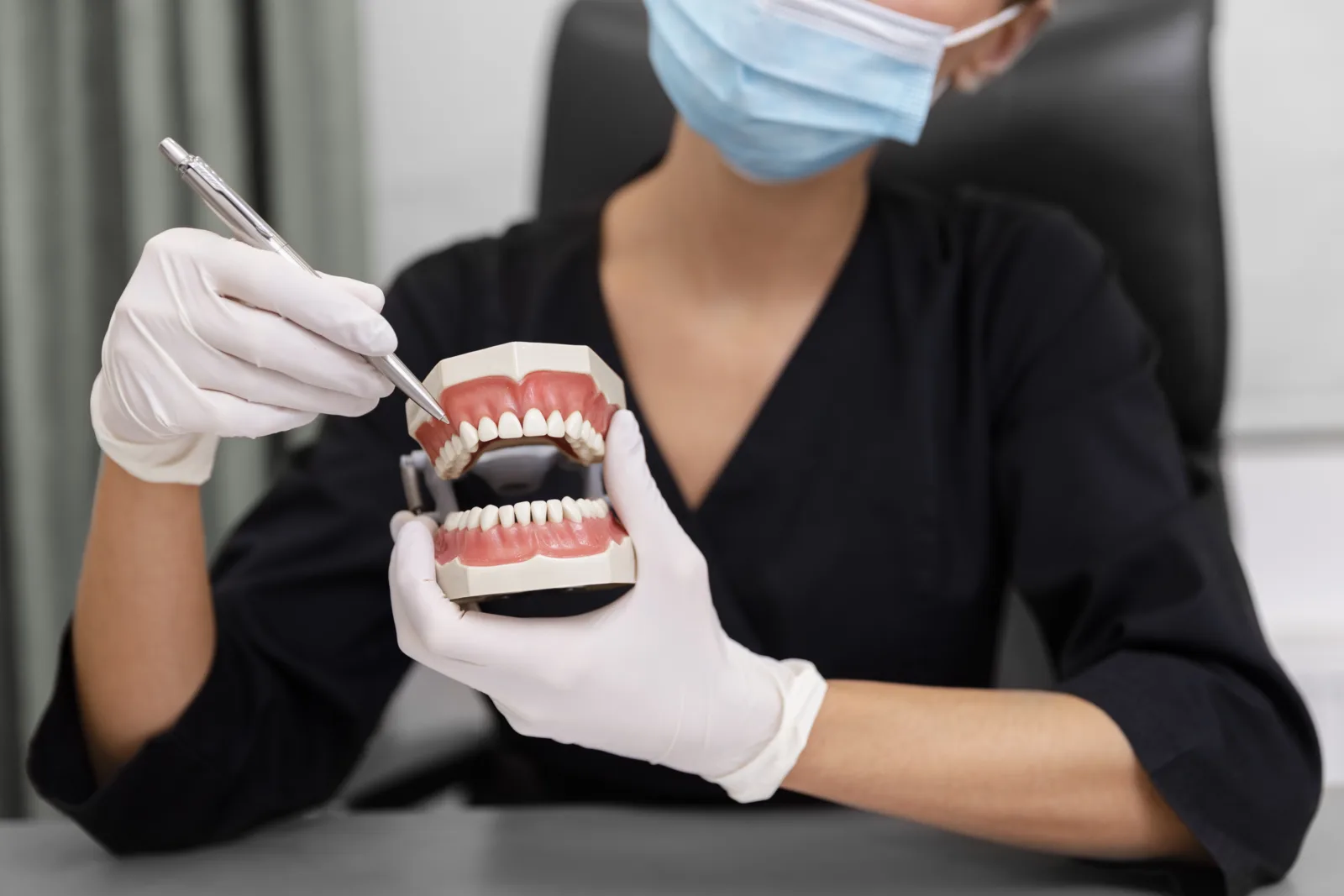
National averages put Candid at about $3,300 to $5,000 and Invisalign at about $3,000 to $8,000. The price depends mostly on how many trays you need, whether you need refinements and whether retainers are included. When you compare quotes, ask what each one covers.
- We price every plan after your exam and scan, and there is no fee for a dental consultation.
- We accept all PPO dental plans. Orthodontic benefits differ from plan to plan, and we review yours with your estimate.
- Cherry financing can spread the cost of clear aligners over monthly payments.
- Both systems can be paid with HSA or FSA funds.
See Financing and Insurance for payment options and our Dental Savings Plan.
Which One Fits Your Smile?
- Candid may suit you if you want fewer trips to the office and are comfortable sending photo scans from your phone.
- Invisalign may suit you if you prefer regular in-person checks or your plan needs a longer series of trays.
Because we offer both, Dr. Silva can recommend the one that fits your bite rather than a single brand.