
Introduction
When patients ask us about Candid Aligners vs Invisalign, our answer is simple. Both use a series of clear, removable trays to move teeth into better alignment, and both work well for the right smile. The real difference is which system fits your bite and your goals. Our office offers both, so Dr. Nelly Silva, DMD, can recommend the option that suits your teeth rather than steering you toward one brand.
What Clear Aligners Are
Clear aligners are thin plastic trays made to fit snugly over your teeth. You wear each set for a period of time, then switch to the next one in the series. They are a common treatment for crooked teeth and gaps between teeth.
How Clear Aligners Work
Each tray is shaped slightly differently from the one before it. As you move through the series, the trays guide your teeth step by step toward a planned final position. At our office, planning starts with digital 3D impressions from our Itero Element Scanner. The scan replaces messy putty molds.
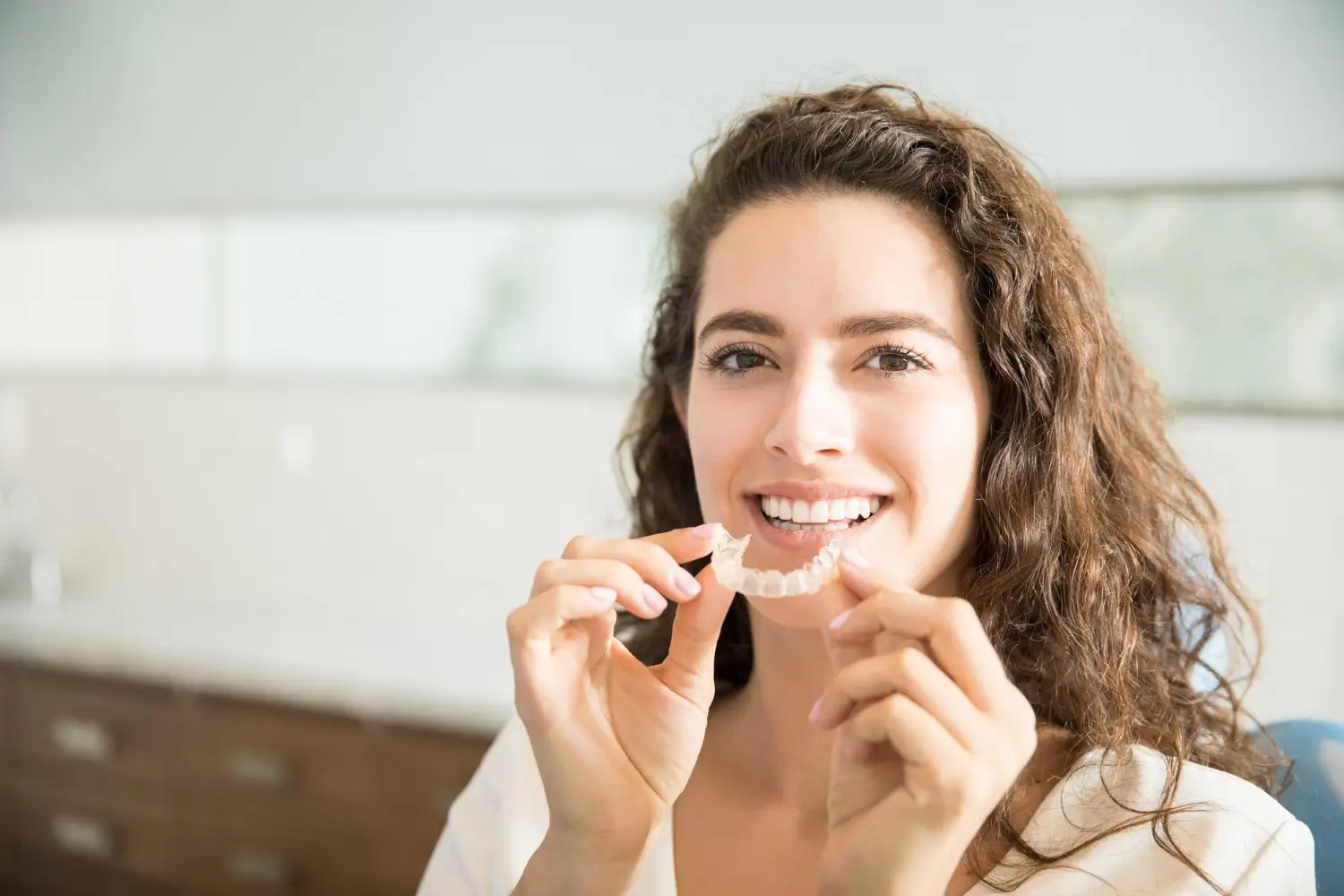
A patient’s teeth being captured with a digital 3D scanner during aligner planning.
Benefits of Clear Aligners
- They are nearly invisible when you wear them.
- You take them out to eat, so there are no food restrictions.
- Brushing and flossing stay simple because nothing is bonded to your teeth.
- There are no metal brackets or wires to rub your cheeks.
Overview of Candid Aligners and Invisalign
What Invisalign Is
Invisalign is a clear aligner system that uses custom trays designed with 3D imaging. Treatment usually takes 6 to 18 months, depending on how far your teeth need to move. It is one of the Orthodontics we provide.
What Candid Is
Candid is another clear aligner system and one of the treatments patients ask us about most. Like Invisalign, it uses a series of custom clear trays to straighten teeth gradually. When you choose Candid with us, your care stays with our dentist from the first scan to the final tray.
Candid Aligners vs Invisalign: Key Differences
The two systems share the same basic idea. The differences come down to how each one plans and stages tooth movement. Some bites respond better to one approach, while others can be treated equally well with either.
The more useful question is what your teeth need. Dr. Silva looks at crowding and at how your upper and lower teeth meet. She holds LVI certification in aesthetic and neuromuscular dentistry, so she also considers how a change in tooth position affects your jaw. A Bite Assessment helps guide that choice.
Effectiveness and Results
Both systems can produce a straighter smile when patients wear their trays as directed. Results depend more on the treatment plan and daily wear than on the brand name.
How Aligners Move Your Teeth: The Science Explained
Teeth sit in bone, held in place by small fibers called ligaments. When an aligner presses gently and steadily on a tooth, bone on one side slowly breaks down while new bone forms on the other. This lets the tooth shift a tiny amount with each tray. Moving in small steps keeps the process comfortable and controlled.
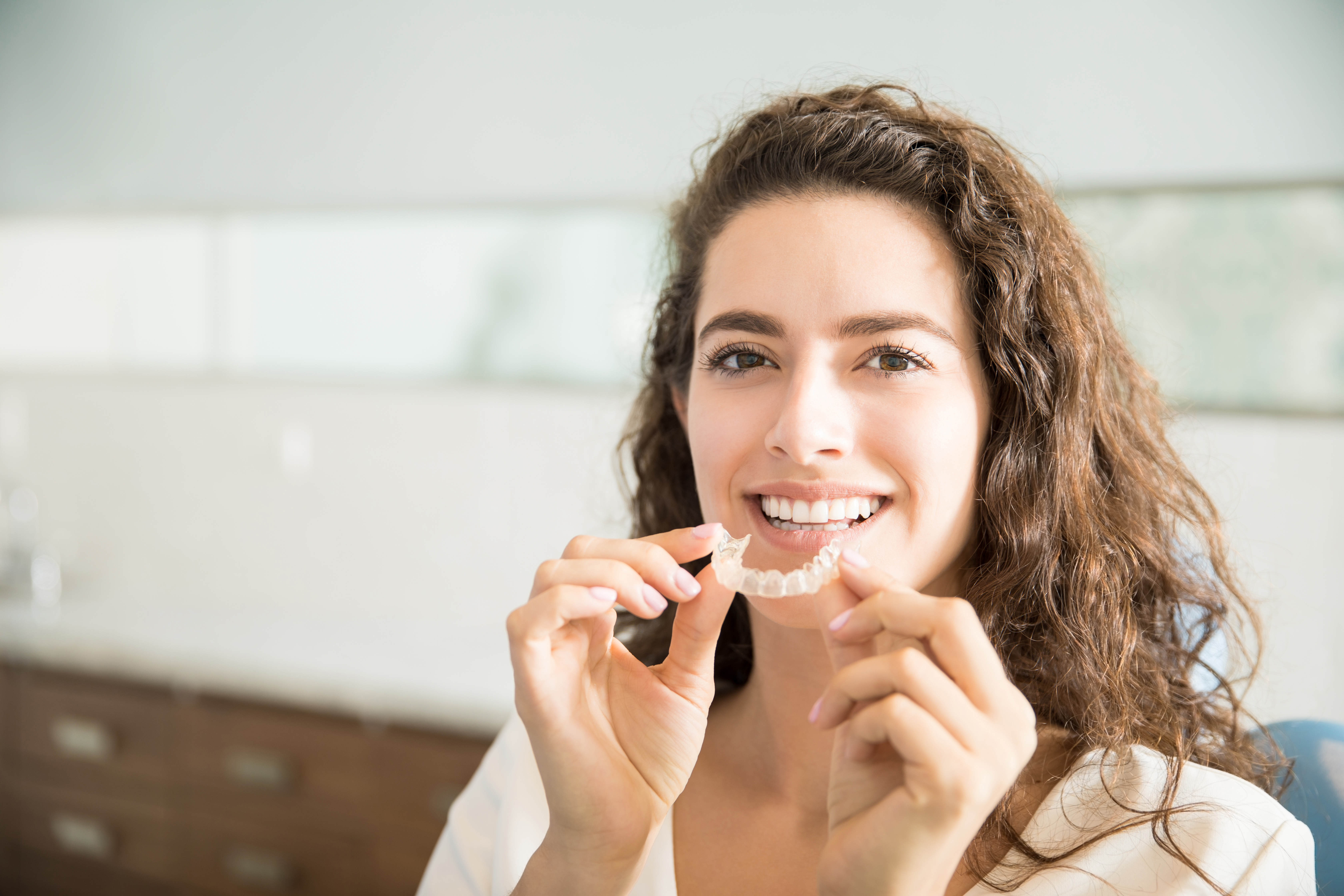
Diagram of a tooth shifting within the jawbone under steady aligner pressure.
Patient Experience and Reviews
Patients often tell us new trays feel snug for a day or two, then settle in. You can read more on our patient testimonials page.
Real Invisalign Experiences: 2 Years Later
A straight smile two years out depends on retainers. Teeth tend to drift after treatment ends. That is why we scan for retainers and deliver them once the last tray is finished. Patients who wear their retainers as directed keep their results.
Common Invisalign Mistakes and How to Avoid Them
- Leaving trays out for long stretches, which slows progress.
- Drinking anything other than water with trays in.
- Skipping brushing before putting trays back in.
- Wrapping trays in a napkin at meals, where they often get thrown away.
Tips for Invisalign Success
Keep your case with you at all times. Set a phone reminder to switch trays on schedule. Rinse trays with cool water each time you remove them. Keep your follow-up visits so we can confirm each tooth is moving as planned.
Choosing the Right Clear Aligner for You
What to Consider Before Making a Decision
- How much crowding or spacing you have.
- Whether you live with jaw pain or Teeth Grinding.
- How consistently you can wear trays each day.
- Your gum and tooth health, since cavities or gum problems should be treated first.
Dr. Silva reviews these points with you and explains why she recommends one system over the other.
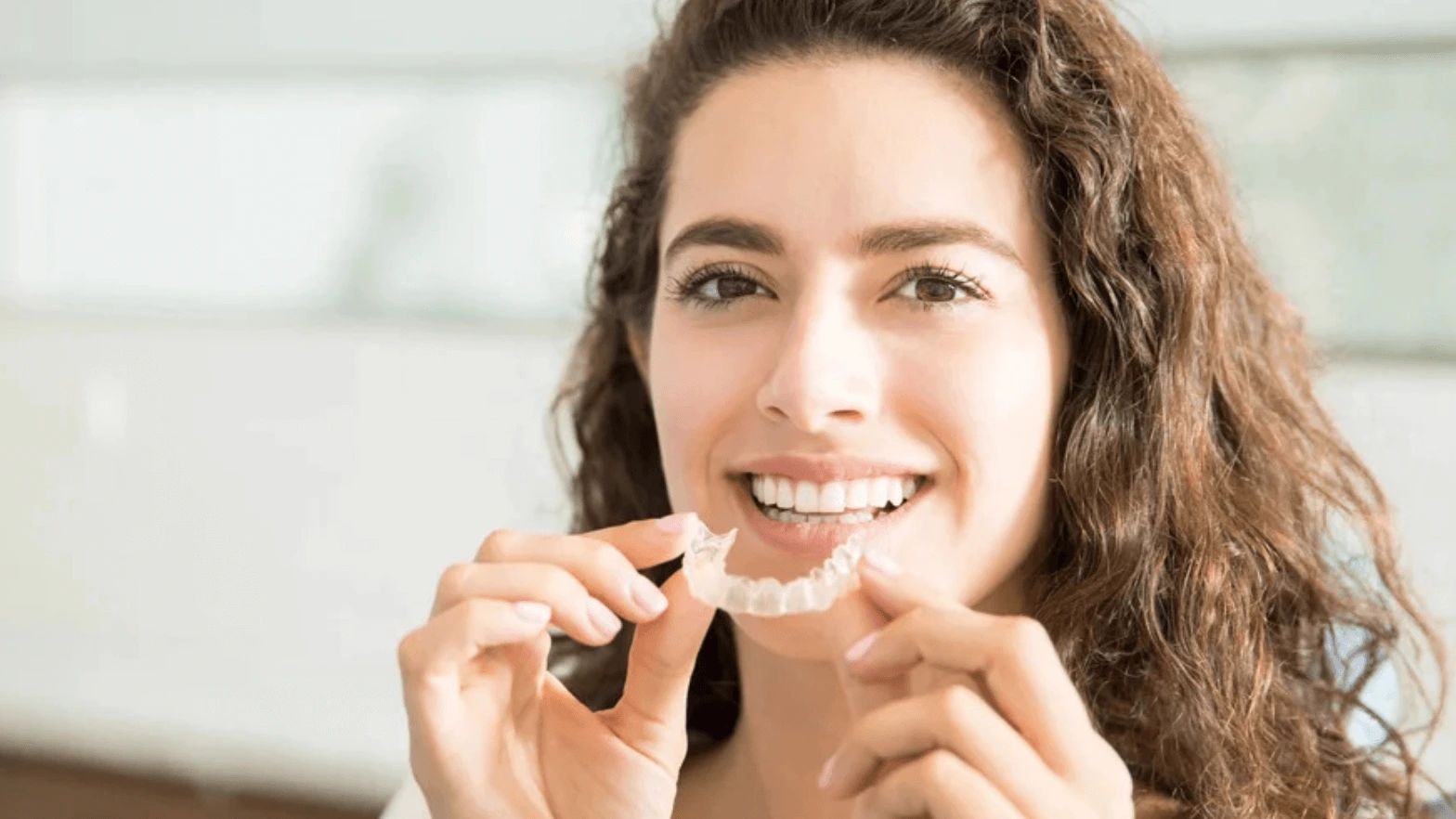
Dr. Silva reviewing a digital scan with a patient to compare aligner options.
Conclusion
Candid and Invisalign both straighten teeth with clear, removable trays. When weighing Candid Aligners vs Invisalign, the right choice depends on your bite and your daily habits. Because our office offers both, Dr. Silva can match you with the system that fits your smile.