
If you need a CPAP alternative Collegeville PA patients can wear comfortably every night, custom oral appliance therapy is the option we recommend most often. An oral appliance is a small device worn over the teeth during sleep. It holds the lower jaw slightly forward so the airway stays open, with no mask, hose or machine. At Our Practice, Dr. Nelly Silva, DMD; Diplomate in Dental Sleep Medicine (AADSM, ABCDSM); General Dentist, designs and fits these appliances for adults with obstructive sleep apnea and snoring.
This article explains how oral appliance therapy works, who it suits and what the process looks like with our team.
Understanding Sleep Apnea and Its Treatment Options
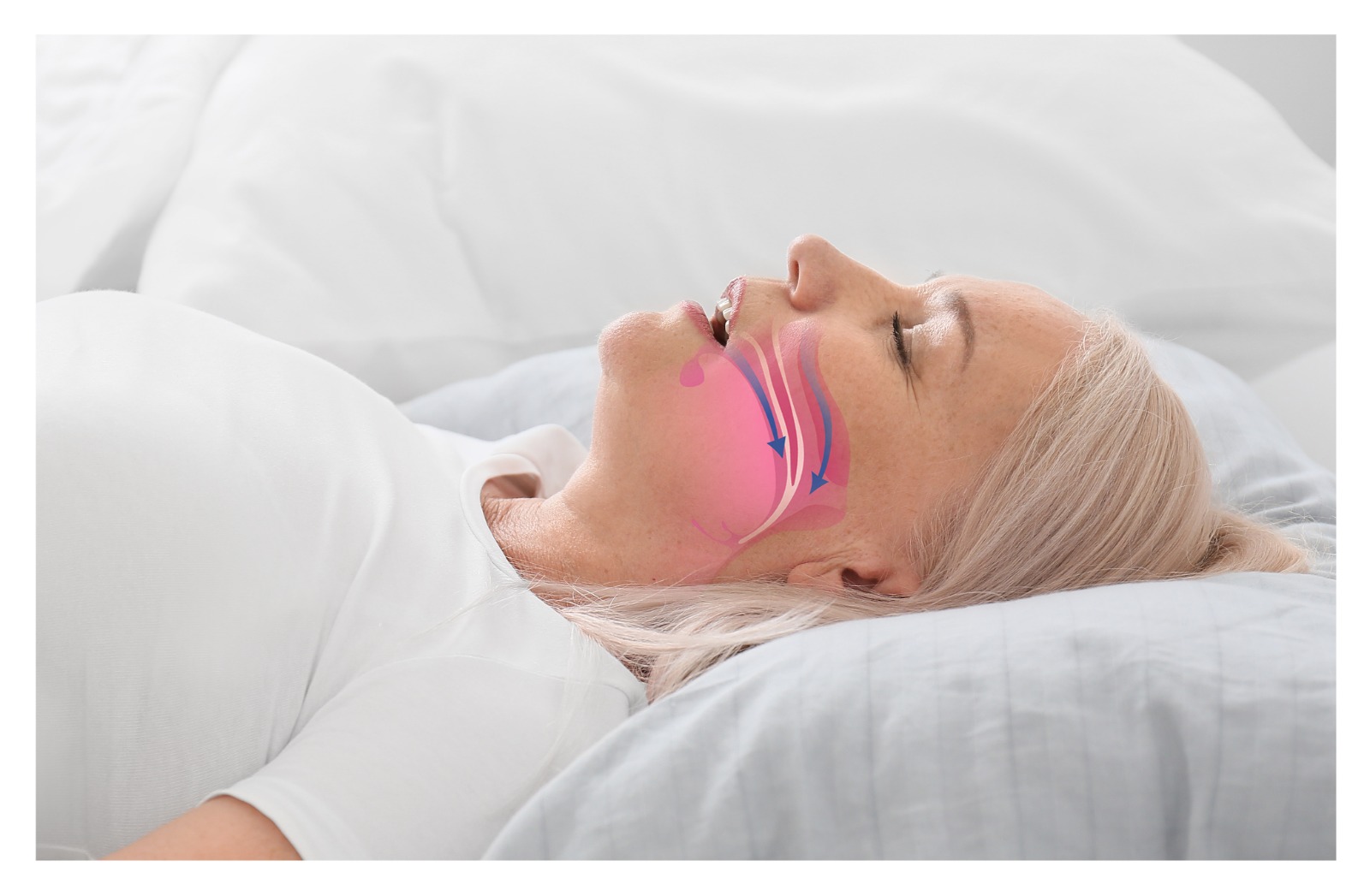
Obstructive sleep apnea happens when the soft tissues of the throat relax during sleep and block the airway. Breathing slows or stops for short stretches, often many times an hour. Each pause pulls you out of deep sleep, even if you never fully wake up.
Common signs include:
- Loud snoring
- Gasping or choking at night
- Morning headaches
- Dry mouth on waking
- Daytime tiredness
Many patients first hear about the problem from a bed partner.
Every treatment for sleep apnea has the same goal: keep the airway open all night. The most familiar option is CPAP, a machine that pushes pressurized air through a mask. Other options include custom oral appliances, changes in sleep position or weight, and surgery in some cases. The right choice depends on three things:
- How severe your apnea is
- The shape of your jaw and airway
- Which treatment you will actually use every night
Why Patients Look for Alternatives to CPAP
CPAP works well when it is worn. The challenge is that many people struggle to wear it night after night. Complaints we hear often include:
- The mask feels confining or brings on claustrophobia
- Straps leave marks or irritate the skin
- The air pressure dries out the nose and mouth
- The machine noise disturbs a partner
- The hose tangles when you change positions
- The equipment is bulky to pack for trips
A CPAP that sits unused in a closet leaves sleep apnea untreated. A treatment you wear every night protects your health more than one you avoid. That is why so many patients ask us about other options.
Oral Appliance Therapy: A Widely Used CPAP Alternative
What Is Oral Appliance Therapy?
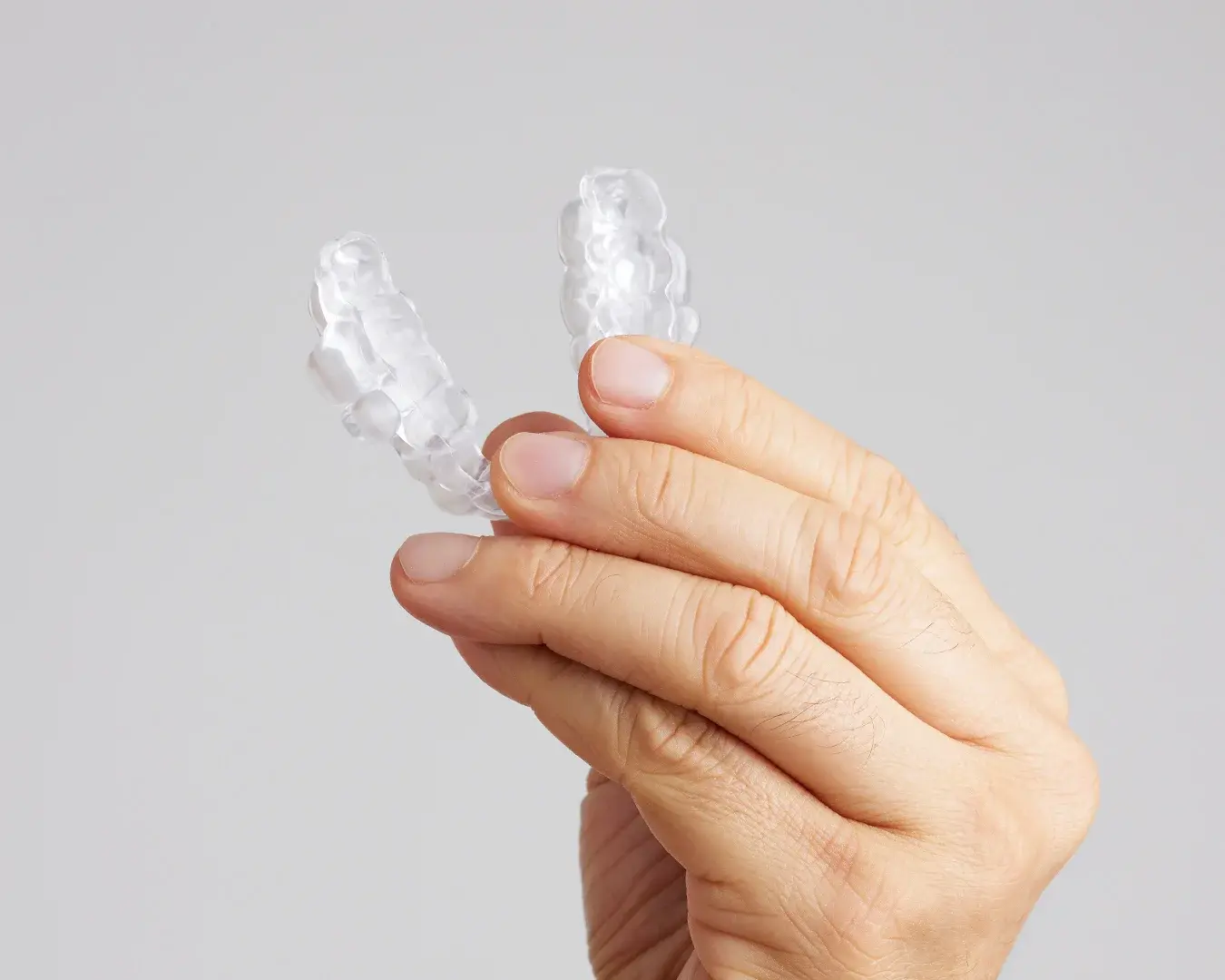
Oral appliance therapy uses a custom device worn only while you sleep. It feels similar to a mouthguard or retainer. The appliance we provide is a mandibular repositioning device, or MRD. We make it from precise records of your teeth and bite, so it fits your mouth and no one else’s.
How Oral Appliance Therapy Works
During sleep, the lower jaw and tongue tend to drop backward. That narrows the airway. An MRD holds the lower jaw gently forward. This keeps the tongue and soft tissues from collapsing into the throat, so air can move freely.
The appliance can be adjusted in small steps over time. Dr. Silva uses these adjustments to find the jaw position that keeps your airway open while your jaw stays comfortable.
Benefits of Oral Appliances Over CPAP
- No mask or hose. Nothing covers your face, and you can sleep in any position.
- Quiet. There is no motor, so the room stays silent.
- Portable. The appliance fits in a small case that slips into a bag or pocket.
- No power needed. It works during outages, on camping trips and on long flights.
- Simple care. Daily rinsing and gentle brushing keep it clean.
- Less snoring. Opening the airway often quiets snoring, which helps a partner sleep too.
Who Can Benefit from Oral Appliance Therapy?
Oral appliances are most often used for mild to moderate obstructive sleep apnea and for snoring without apnea. Some patients with more severe apnea use an appliance when CPAP is not workable. Others wear one alongside CPAP to lower the air pressure they need. A sleep study confirms your diagnosis and helps guide which approach fits your situation.
Healthy teeth and gums matter too. The appliance anchors to your teeth, so we check that they can support it.
CPAP-Intolerant Patients
If you tried CPAP and could not keep it on, an oral appliance is worth exploring. Many CPAP users pull the mask off during the night or feel anxious wearing it. Others simply stopped using it. These patients often do well with a device that sits quietly in the mouth.
Patients Seeking Travel-Friendly or Low-Maintenance Solutions
Some patients care most about convenience. This group includes:
- Frequent travelers
- People who share a bed
- Anyone who wants fewer parts to manage
These patients often prefer an oral appliance. There are no filters, tubes or distilled water to replace. You put the appliance in at bedtime, take it out in the morning and clean it.
Oral Appliances We Offer: A CPAP Alternative Collegeville PA Patients Choose
Dr. Nelly Silva focuses her sleep work on the connection between the jaw, the bite and the airway. Her training includes:
- Dental sleep medicine: She is a Diplomate in Dental Sleep Medicine.
- Neuromuscular dentistry: She holds LVI certification in aesthetic and neuromuscular dentistry.
- Jaw disorders: She completed a TMD residency through the American Academy of Craniofacial Pain.
This background matters because an oral appliance changes how your jaw rests for hours each night. Her TMJ training helps her set the jaw in a position that opens the airway while protecting the jaw joints. Patients who also clench or grind their teeth can learn more about our TMJ and bruxism care.
Our sleep services include:
- Custom mandibular repositioning devices for obstructive sleep apnea. You can read more on our sleep apnea treatment page.
- Custom oral appliances for snoring, explained on our snoring treatment page.
- Laser therapy for obstructive sleep apnea, offered through our laser dentistry services.
Technology also shapes how well an appliance fits. We take digital impressions with the iTero Element scanner, so there is no goopy impression putty. The Vatech CT scan gives us a three-dimensional view of the jaw and surrounding structures. Together, these tools help us build an appliance that matches your mouth closely.
What to Expect: Evaluation, Fitting, and Follow-Up
Evaluation. Your first sleep visit centers on you. Dr. Silva reviews your symptoms, health history and any sleep study results. If you have not had a sleep study yet, we discuss how to get one. She examines your teeth, gums, jaw joints and bite to confirm an oral appliance is a good fit. You leave with a clear picture of your options.
Fitting. Your appliance is built from your digital records. At the fitting, we check how it feels and how it seats on your teeth. We show you how to put it in, take it out and keep it clean.
Follow-up. The first setting is a starting point. Over the following visits, Dr. Silva adjusts the jaw position step by step based on how you sleep and feel. Follow-up sleep testing then confirms that the appliance is keeping your airway open. After that, regular checkups keep the fit accurate and your teeth healthy.
Living With Your Oral Appliance
Most patients settle into wearing an appliance within a short time. Wearing it every night, for the whole night, gives you the full benefit. A routine helps: put it in as part of getting ready for bed, the same as brushing your teeth.
Care is simple:
- Rinse the appliance each morning.
- Brush it gently with a soft brush.
- Store it in its case, out of reach of pets.
Bring the appliance to your checkups so we can confirm it still fits well.
Pay attention to how you feel. Many patients notice:
- More energy during the day
- Fewer morning headaches
- A quieter bedroom
If your snoring returns or your old symptoms creep back, let us know. A small adjustment often brings things back on track. Changes in weight or new dental work can also affect fit. We review those changes with you at follow-up visits.
Conclusion: Start Your CPAP Alternative Treatment in Collegeville, PA
A custom oral appliance holds the jaw forward to keep the airway open. It is quiet, portable and easy to care for, and it works well for many patients with mild to moderate sleep apnea or CPAP trouble. Dr. Nelly Silva brings dental sleep medicine and TMJ training to every appliance she fits. Our team offers oral appliance therapy as a CPAP alternative Collegeville PA adults can make part of everyday life.