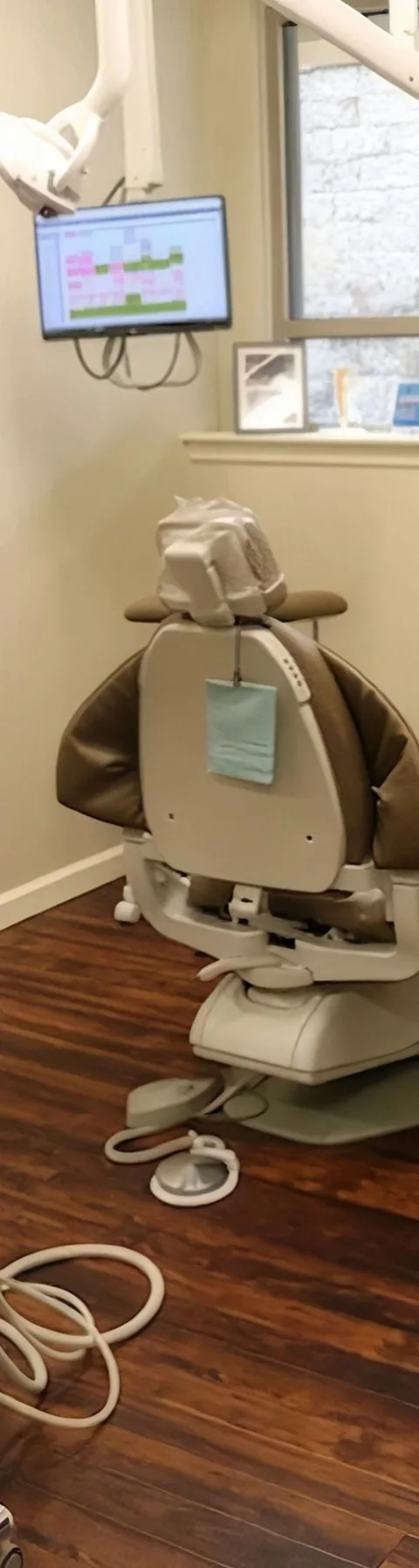

At your first TMD consultation at Advanced Dentistry of Collegeville, we talk through your symptoms and health history, examine your jaw joints, muscles and bite, and use digital tools to measure how your jaw moves. You leave knowing whether TMD is the likely cause of your pain and what treatment options fit your needs. This guide covers what to expect at your first TMD consultation, step by step, so you can walk in informed.
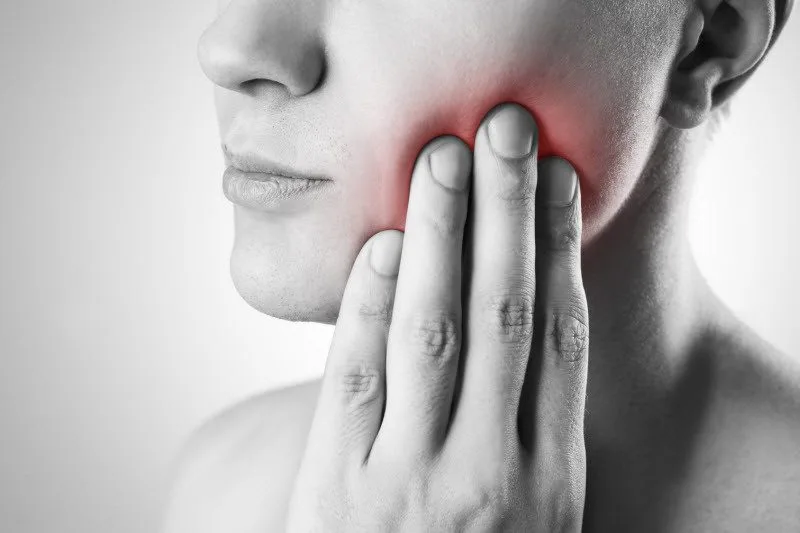
Understanding TMD and the Role of a TMJ Dentist
What Is TMD?
TMD stands for temporomandibular joint disorder. It affects the joints that connect your lower jaw to your skull and the muscles that move them. Common signs include:
- Headaches or migraines
- Sore or sensitive teeth
- Aching jaw, neck or shoulder muscles
- Clicking or popping when you open your mouth
- Teeth grinding or clenching, also called bruxism
Many people live with these symptoms for years without connecting them to the jaw. Our TMJ & bruxism page explains more about how these problems are linked.
What Does a TMJ Dentist Do?
A TMJ dentist looks at how your teeth, jaw joints and muscles work together. Dr. Nelly Silva, DMD; Diplomate in Dental Sleep Medicine (AADSM, ABCDSM); General Dentist, leads TMD care in our office. She holds LVI certification in aesthetic and neuromuscular dentistry and is a TMD Resident with the American Academy of Craniofacial Pain. She is also a Diplomate in Dental Sleep Medicine. This training shapes her approach. She does not treat sore teeth or headaches as isolated problems. She looks for the jaw position and muscle strain that may be behind them.
Your Symptoms and Health History
Symptoms We Ask About
Your consultation starts with a conversation. Dr. Silva asks where you feel pain, how often it happens and what makes it better or worse. She also asks about morning headaches, jaw fatigue after meals and whether anyone has noticed you grinding at night. These details help her see patterns that point toward or away from TMD.
Health History We Review
We also review your dental and medical history. Past orthodontic work, old injuries to the face or jaw, missing teeth and sleep problems can all affect how your jaw functions. Because Dr. Silva also treats sleep apnea and snoring, she pays attention to breathing and sleep habits. Clenching and airway problems often show up together.

The Initial Consultation Process
What Happens During a TMD Evaluation?
The evaluation combines your history, a hands-on exam and digital measurements. Each step adds a piece to the picture. Dr. Silva explains what she is checking as she goes, so you understand what each finding means.
The Physical Examination Process
During the exam, Dr. Silva gently presses on the muscles of your face, jaw, temples and neck to find tender spots. She watches how wide you can open, whether your jaw shifts to one side and whether the joints click or pop. She also checks your teeth for wear, chips or cracks that grinding can cause. If grinding is a concern, our teeth grinding page covers the signs in more detail.
How Is TMD Diagnosed?
No single test confirms TMD. Dr. Silva reaches a diagnosis by matching your symptoms with what the exam and digital records show. When the findings line up, such as muscle tenderness, limited opening and a bite that strains the joints, she can explain clearly what is happening and why.
Diagnostic Tools and Techniques
Bite Assessment
A bite assessment shows how your upper and lower teeth meet. If your bite pushes your jaw out of a relaxed position, your muscles work harder all day. Over time, that strain can lead to pain in the jaw, head and neck.
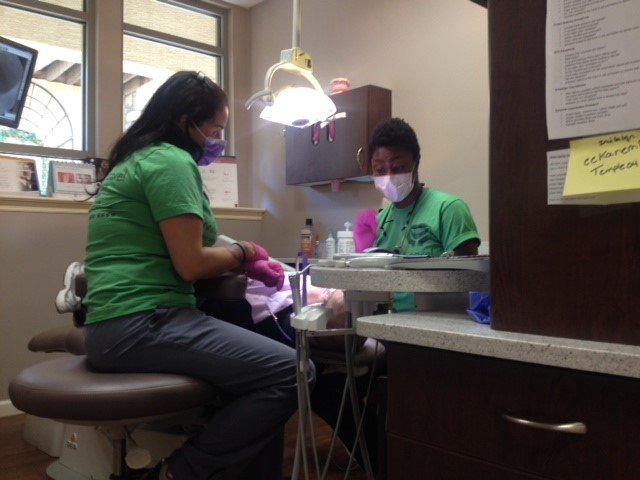
Advanced Imaging and Technology
Our office uses several tools to measure what the eye cannot see:
- K-7 Computerized Mandibular Scanning Unit records jaw movement and muscle activity, and maps how your jaw opens, closes and rests.
- Transcutaneous Electrical Neural Stimulation (TENS) uses low-frequency electrical pulses to relax tight jaw muscles. This helps Dr. Silva find the position where your jaw is most at ease.
- The Vatech CT scan creates 3D images of your jaw joints, bone and airway.
- iTero captures digital models of your teeth without messy impressions.
You can learn more about each tool on our advanced technology page.
Developing a Customized Treatment Plan
Discussing Treatment Options
Once Dr. Silva has your results, she walks you through what they show and which options make sense for you. Depending on your findings, these may include:
- A custom orthotic appliance that holds your jaw in a relaxed position
- Trigger Point Injections or Dry Needling for tight, painful muscle knots
- Low level laser therapy to help reduce joint inflammation
- Bite adjustment, orthodontics or restoration of the tooth arches for longer-term correction
Many patients start with conservative care, such as an orthotic, before considering any changes to the bite. Dr. Silva explains the reason behind each recommendation so you can make an informed choice.
Next Steps After Your Consultation
You leave your consultation with a clear diagnosis or a plan to gather more information. You also leave with a list of treatment options matched to your findings. If you choose to move forward, our team schedules the next stage, such as fitting a custom orthotic or starting muscle therapy. If sleep or breathing issues came up during your visit, Dr. Silva may also discuss sleep apnea treatment.
Conclusion
Knowing what to expect at your first TMD consultation makes the visit easier. Dr. Silva reviews your symptoms and history, examines your jaw and muscles, and measures your bite and jaw movement with tools such as K-7 Computerized Mandibular Scanning Unit, Transcutaneous Electrical Neural Stimulation (TENS) and the Vatech CT scan. You leave understanding what is causing your pain and which treatment options fit your needs.
If jaw pain, clicking or headaches are affecting your day, book a TMD consultation at our Collegeville, PA office.
(function(){function run(){var target=”what to expect at your first tmd consultation in collegeville, pa”;var seen=false;var nodes=document.querySelectorAll(‘h1’);for(var i=0;i<nodes.length;i++){var t=(nodes[i].textContent||'').replace(/s+/g,' ').trim().toLowerCase();if(t===target){if(seen){nodes[i].style.display='none';}else{seen=true;}}}}if(document.readyState==='loading'){document.addEventListener('DOMContentLoaded',run);}else{run();}})();