For many adults with obstructive sleep apnea, a custom oral appliance is an effective alternative to CPAP. CPAP remains the standard for severe cases. An oral appliance is a strong option for mild to moderate sleep apnea and for patients who cannot tolerate a CPAP mask. This guide to Oral Appliance vs. CPAP: a CPAP Alternative in Collegeville, PA explains how each treatment works, where each one fits, and how our team helps patients choose.
At Advanced Dentistry of Collegeville, Dr. Nelly Silva, DMD, is a Diplomate in Dental Sleep Medicine (AADSM, ABCDSM). Our office offers sleep apnea treatment with custom oral appliances designed to keep the airway open during sleep.
Understanding Sleep Apnea and Its Treatment Options
Sleep Apnea Explained
Obstructive sleep apnea happens when the muscles in the throat relax too much during sleep. The tongue and soft tissues fall back and block the airway. Breathing slows or stops for a few seconds. The brain then wakes the body just enough to restart breathing.
These pauses can happen many times an hour. Most people do not remember waking up. They notice the effects the next day instead.
Common signs include:
- Loud, frequent snoring
- Gasping or choking during sleep
- Morning headaches
- Daytime sleepiness, even after a full night in bed
- Trouble focusing
- A dry mouth or sore throat on waking
A bed partner is often the first to notice the snoring and pauses in breathing.
Why Treatment Matters
Repeated breathing pauses lower oxygen levels and break up deep sleep.
Treatment helps restore steady breathing at night. Many patients report better energy, sharper focus, and quieter nights for their partners once they find a treatment they can use consistently.
The CPAP Machine Explained
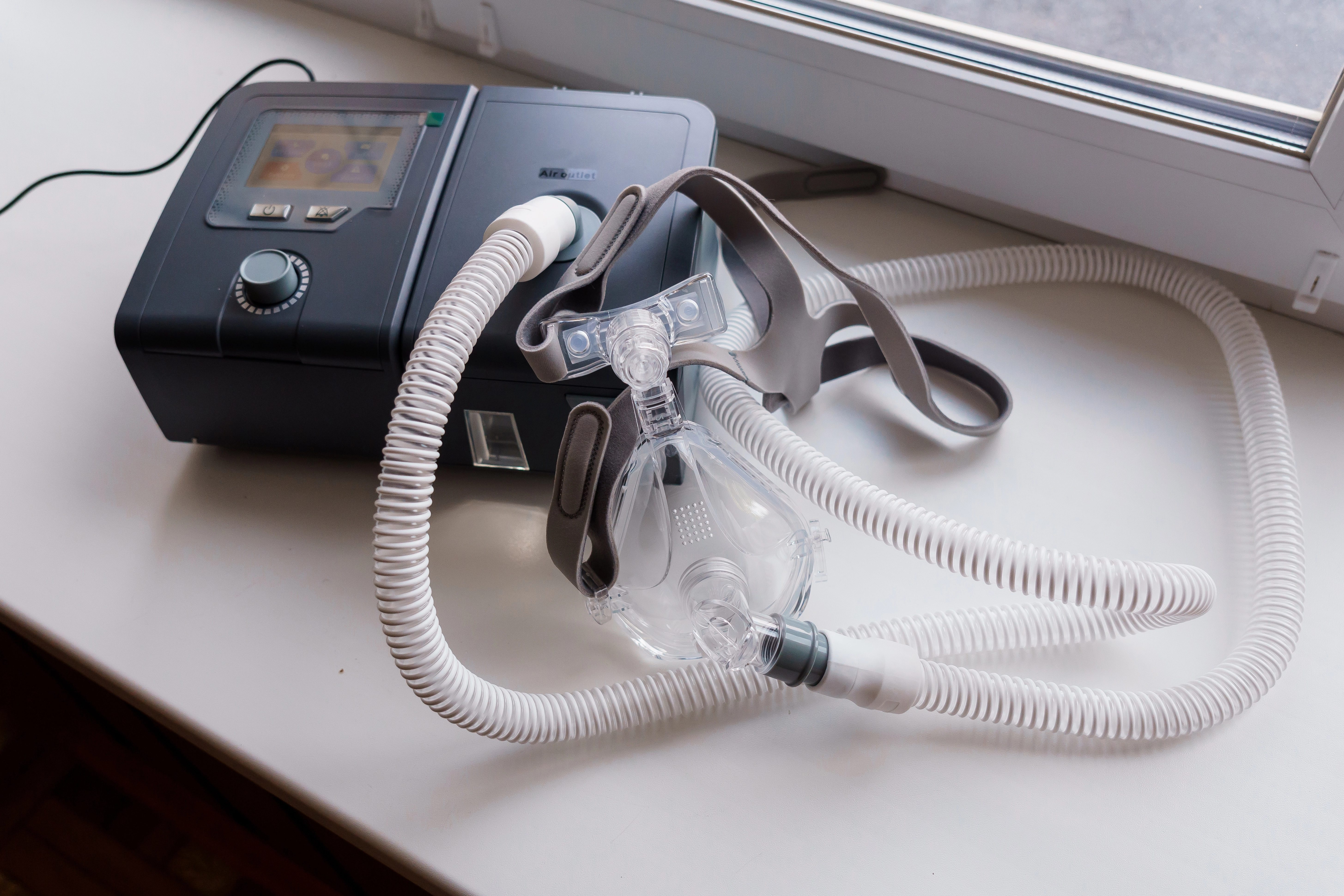
How CPAP Works
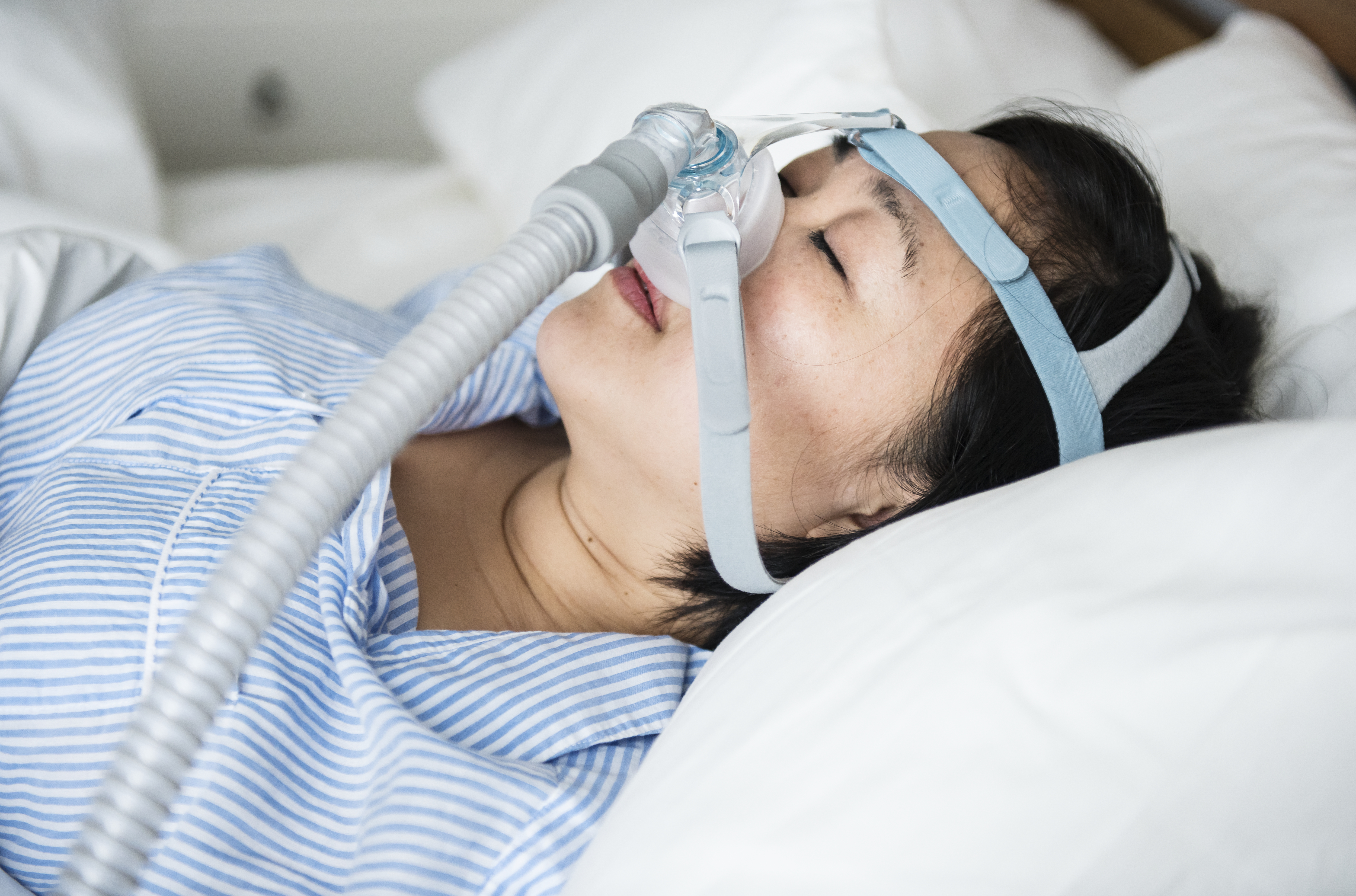
CPAP stands for continuous positive airway pressure. A small bedside machine pushes a steady stream of air through a hose and into a mask. The mask fits over the nose, the mouth, or both.
The air pressure acts as a splint for the airway. It keeps the soft tissues from collapsing while you sleep. When used every night, CPAP is very effective at preventing breathing pauses.
Common Challenges With CPAP Therapy
CPAP only works when it is worn. Many patients struggle to use it night after night. Common complaints include:
- A mask that feels confining or causes claustrophobia
- Air leaks that wake the user or a partner
- Dry nose, dry mouth, or nasal congestion
- Skin irritation where the mask presses on the face
- Machine noise
- Trouble sleeping on the side or stomach with a hose attached
- Bulky equipment that is hard to pack for travel
Some patients stop using CPAP entirely. Others wear it for only part of the night. In both cases, the airway goes unprotected for hours at a time.
Oral Appliance Therapy: A Non-CPAP Option
Oral Appliance Therapy Defined
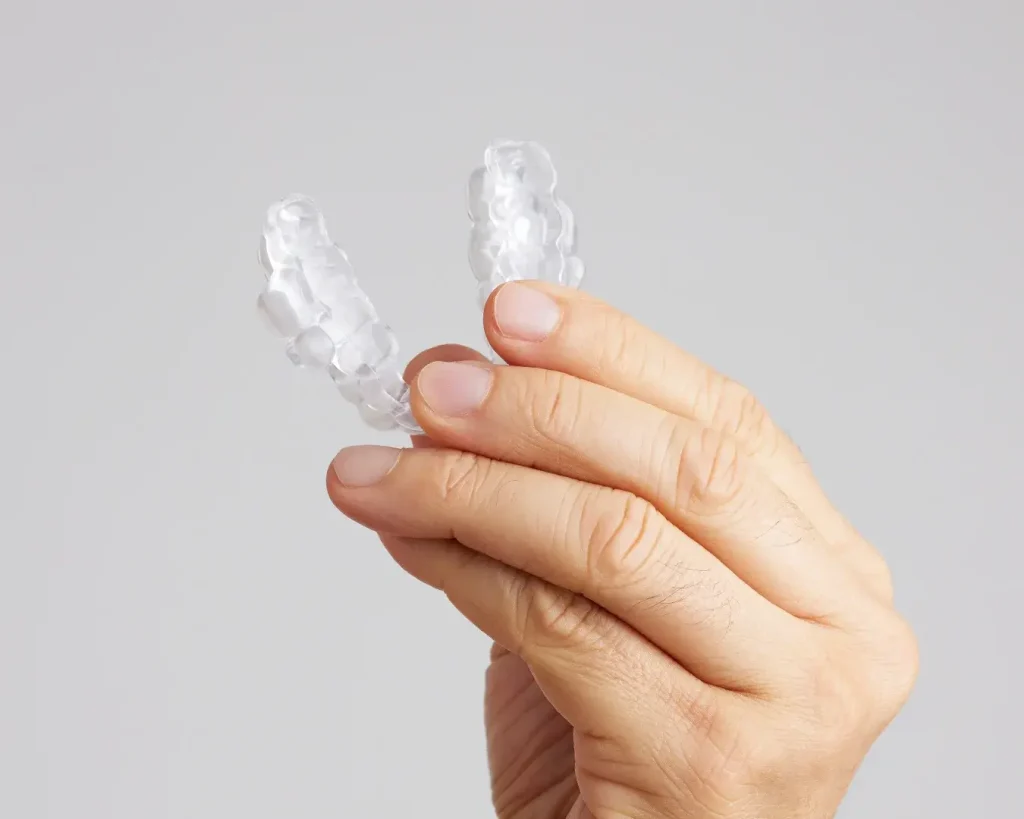
Oral appliance therapy uses a custom device that fits over the upper and lower teeth, similar to a sports guard or retainer. The appliance we provide is a mandibular repositioning device, often called an MRD. It is worn only during sleep.
There is no machine, mask, or hose. The appliance fits in a small travel case.
How Oral Appliances Work for Sleep Apnea
An MRD gently holds the lower jaw slightly forward. Because the tongue is attached to the lower jaw, it moves forward too. This keeps the tongue and soft tissues from falling back into the throat.
The result is a more open airway during sleep. Many patients notice less snoring and fewer nighttime awakenings. The appliance can be adjusted over time so the jaw sits in the position that supports breathing while staying comfortable.
Benefits of Oral Appliance Therapy
Patients often choose an oral appliance for these reasons:
- Quiet: No machine noise for you or your partner.
- Comfortable: No mask straps or pressure on the face.
- Freedom of movement: You can sleep in any position.
- Easy to travel with: No power source or distilled water needed.
- Simple care: Daily cleaning takes a few minutes.
Because many patients find an appliance easier to wear, they tend to use it more consistently. Consistent use is what protects the airway.
CPAP vs. Oral Appliance Therapy: Key Differences
Effectiveness for Sleep Apnea
CPAP is generally more effective at preventing breathing pauses on any given night, especially in severe sleep apnea. An oral appliance works well for many patients with mild to moderate sleep apnea.
Nightly use matters as much as the device itself. A CPAP that sits in a closet does nothing. An oral appliance worn every night can deliver more real-world benefit than a CPAP worn rarely. A follow-up sleep test helps confirm that your appliance is working.
Comfort and Ease of Use
CPAP requires a mask, hose, and machine. Some patients adjust within weeks. Others never feel comfortable.
An oral appliance is small and fits inside the mouth. Most patients get used to it within a short adjustment period. You put it in at bedtime and take it out in the morning.
Portability and Convenience
CPAP machines need electricity, and the equipment takes up space in a suitcase. Camping, flights, and overnight trips can be a hassle.
An oral appliance travels in a pocket-sized case. It needs no power, filters, or tubing.
CPAP side effects may include dry mouth, nasal congestion, skin irritation, and bloating from swallowed air.
Oral appliance side effects may include temporary jaw soreness, tooth tenderness, extra saliva, or dry mouth during the first weeks. Over longer use, some patients notice small changes in how their teeth come together. This is one reason ongoing follow-up visits matter. Dr. Silva’s training in TMJ care helps our team watch jaw comfort and bite health throughout treatment. Learn more about our approach to TMJ and bruxism.
Choosing the Right Sleep Apnea Treatment in Collegeville, PA
Key Questions to Ask Yourself
These questions can help you think through your options before your visit:
- Have I tried CPAP, and could I wear it every night?
- Do I travel often?
- Does my partner’s sleep suffer from my snoring or machine noise?
- Do I move around a lot or sleep on my stomach?
- Do I have jaw pain, clenching, or grinding?
- Has my sleep apnea been diagnosed, and how severe is it?
Your answers give our team a starting point for a treatment plan that fits your life.
Good Candidates for Oral Appliance Therapy
You may be a good candidate for an oral appliance if you:
- Have been diagnosed with mild to moderate obstructive sleep apnea
- Have tried CPAP and could not tolerate it
- Snore heavily without significant sleep apnea
- Want a quieter, travel-friendly option
- Have enough healthy teeth to hold the appliance in place
Patients with severe sleep apnea may still benefit from an appliance in some cases. It may serve as a backup for travel or as part of a combined plan. Patients with certain jaw conditions or gum disease may need those issues addressed first. Patients who grind their teeth can find details on our teeth grinding page.
Consulting With a Sleep Medicine Specialist
Sleep apnea needs a diagnosis from a sleep study before treatment begins. If you have already completed a sleep study, our team can review the results with you. If you have not, we can talk through the next steps.
During a sleep consultation, Dr. Nelly Silva looks at your sleep history, symptoms, teeth, jaw, and bite. Our office uses the Vatech CT scan for detailed 3D imaging of the jaw and surrounding structures. We also use the iTero Element scanner to capture digital records of your teeth.
You leave knowing whether an oral appliance is a good fit, how it compares to CPAP for your case, and what follow-up care looks like.
CPAP Alternatives Available in Collegeville, PA
Oral Appliance Therapy as a CPAP Alternative
For many adults weighing Oral Appliance vs. CPAP: a CPAP Alternative in Collegeville, PA, a custom MRD is the main option to consider. It is designed for your mouth, adjusted over time, and checked at follow-up visits. Our team stays involved after you receive your appliance so it keeps working as intended.
Some patients use an oral appliance alone. Others use it alongside CPAP. For example, some wear CPAP at home and an appliance when traveling. Your plan depends on your diagnosis and your daily routine.
Other Treatment Options
Our office also offers related care that may support better sleep:
- Snoring treatment: Patients whose main concern is loud snoring can explore our snoring treatment options, which also use custom oral appliances.
- TMJ therapy: Patients with jaw pain or clenching may benefit from TMJ care alongside sleep treatment.
Lifestyle habits also affect sleep apnea. Weight changes, alcohol close to bedtime, and sleeping on the back can all make symptoms worse. Our team can discuss these factors during your visit.
Conclusion
CPAP is highly effective when patients wear it every night, but many people find it hard to tolerate. A custom oral appliance offers a quiet, comfortable, travel-friendly option for mild to moderate obstructive sleep apnea and for patients who cannot use CPAP. If you are comparing Oral Appliance vs. CPAP: a CPAP Alternative in Collegeville, PA, Dr. Nelly Silva and our team can review your sleep study, examine your jaw and bite, and help you choose a treatment you will actually use.
(function(){function run(){var target=”oral appliance vs. cpap: a cpap alternative in collegeville, pa”;var seen=false;var nodes=document.querySelectorAll(‘h1’);for(var i=0;i<nodes.length;i++){var t=(nodes[i].textContent||'').replace(/s+/g,' ').trim().toLowerCase();if(t===target){if(seen){nodes[i].style.display='none';}else{seen=true;}}}}if(document.readyState==='loading'){document.addEventListener('DOMContentLoaded',run);}else{run();}})();